-
The ‘Magic’ of Magic Mushrooms: The Intersection of Psychedelics and Mental Health

Since 2019, the spread of a new nondenominational church, known as the Church of Ambrosia, has sparked nationwide controversy. This church has made headlines for using entheogenic (or psychedelic experience-inducing) plants for spiritual and personal improvement. What entheogenic plants are they referring to? Psilocybin, also known as Magic Mushrooms.
-
Deep Sea Mineral Mining: Impacts on Marine Ecosystems and Climate Change
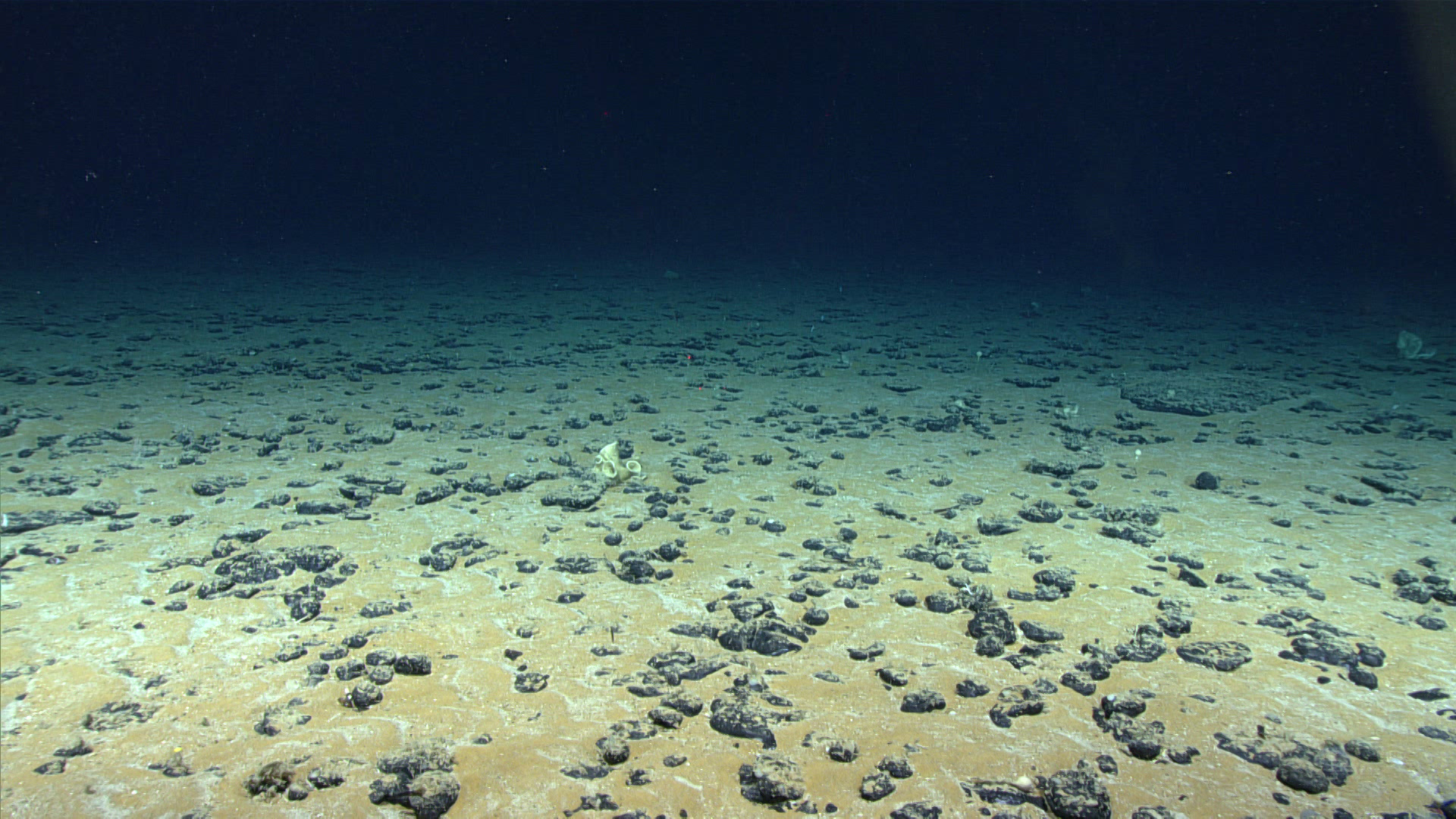
Fossil fuels have been the main culprit for causing climate change—electric vehicles have emerged as one of the solutions to mitigate climate change in wealthy countries. The production of their batteries relies heavily on minerals which, if not sourced responsibly, can exacerbate environmental degradation and contribute to the very issue they seek to address.
-
The Feasibility of Radically Translating Alien Language

The degree to which language shapes cognition, thought, and perception is an ongoing debate in the field of linguistics—a debate without clear consensus. Some veins of thought appear to believe that the relation between language and perception is so inextricable that they give form to one other.
-
A Glance Beyond Death: The brain’s final symphony in activity
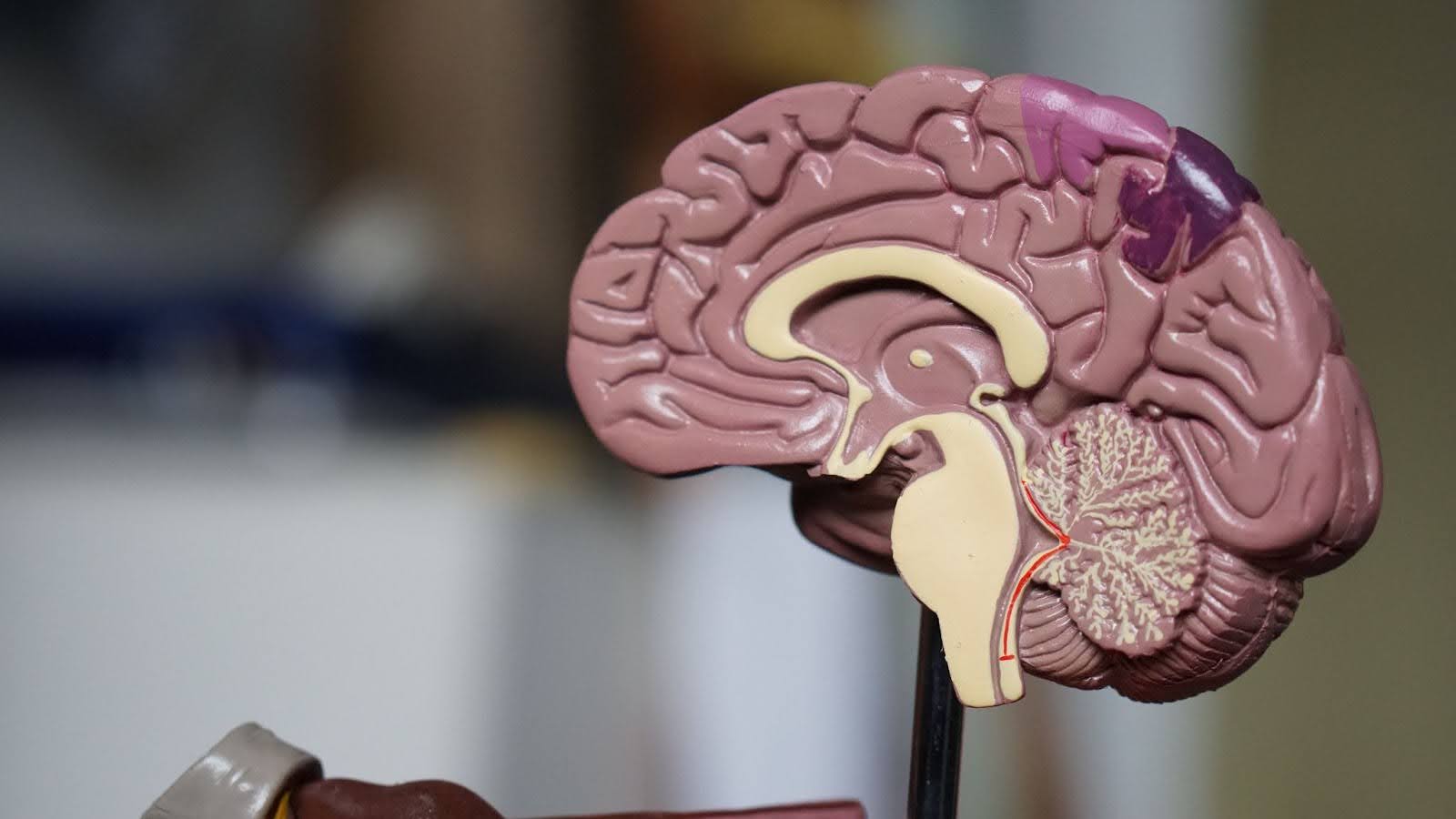
Death has inspired countless philosophical, theological, and scientific studies. A strange phenomenon described in a May 2023 study raises questions about whether death should be determined by heart functionality: scientists from the University of Michigan School of Medicine revealed that brain activity surges as a human dies.
-
Protecting Innovation: The Tumultuous History and Uncertain Future of Biotechnology and Patents

As we stand at the cusp of a future enriched with innovations like CRISPR-Cas9, bioprinting, nanomedicine, and brain-computer interfaces, public sentiments oscillate between anticipation and apprehension. Given the transformative nature of these advancements, it’s crucial to delve into the legal framework that will safeguard and guide this technological revolution.
-
The World of Quantum and Computers

In the macroscopic world, people, planets, and stars follow a set of physical laws to which all matter abides. However, what happens when such physical laws are observed on a microscopic particle scale? While modern circuitry strives for smaller silicon chips, this begs the question, how small can we go?
-
Mapping Out the Brain: PET Scans and the Structure of the Brain
Throughout history, brain function has been a hotly contested subject — Aristotle theorized that it regulates heart temperature, while ancient Egyptians considered it a useless organ. Luckily, modern scanning technology has allowed researchers to resolve some of these century-old debates by precisely mapping out portions of the brain.
-
Alzheimer’s Disease and the Neurobiology of Long-Term Memory Formation
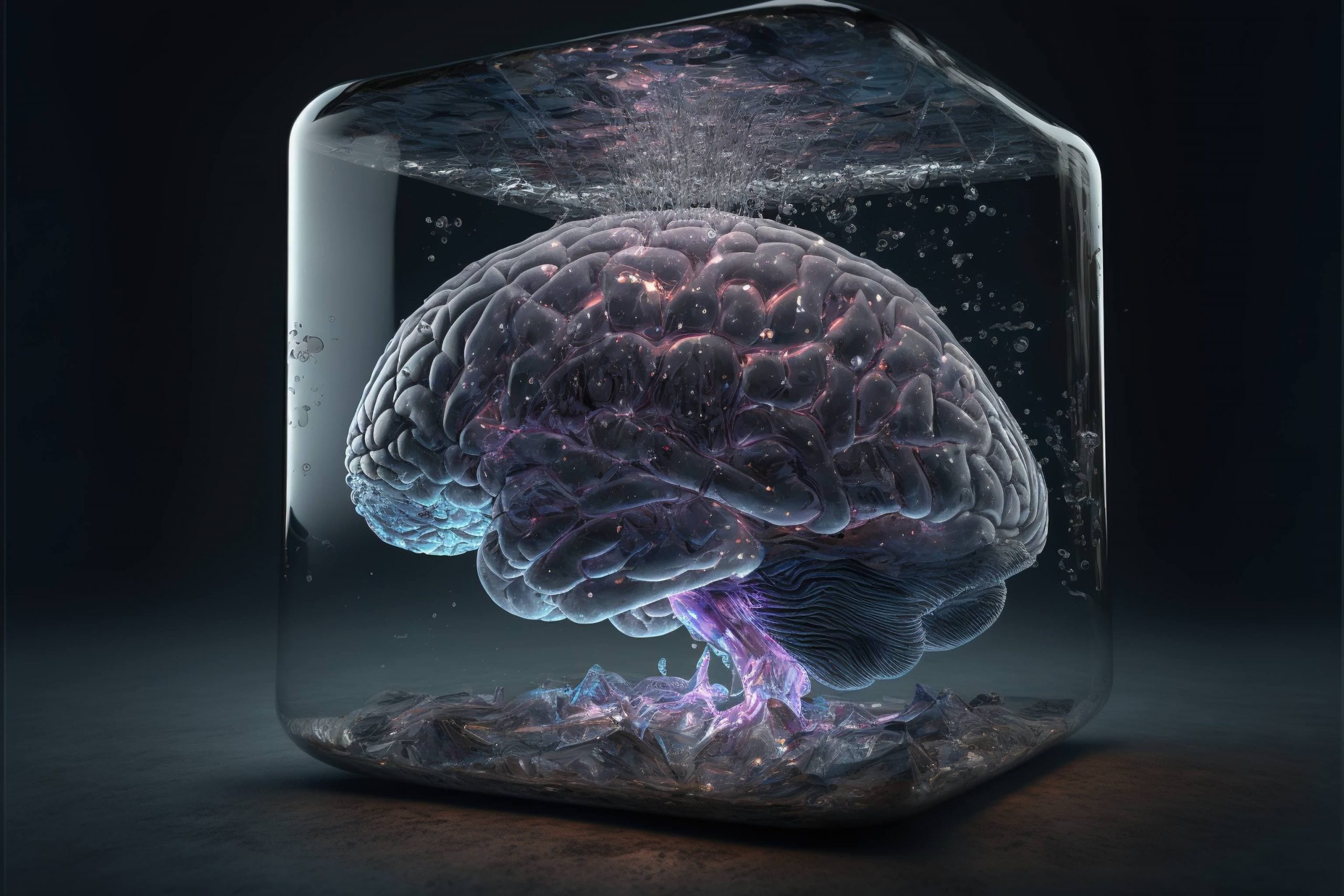
The concept of long-term memory formation is an incredible phenomena which remains far from understood. How is it possible for the assembly of atoms and molecules that comprises the human brain to have the capacity to “remember?”
-
Reject Bird, Embrace Dinosaur: How Ratites Lost the Ability to Fly, Four Times
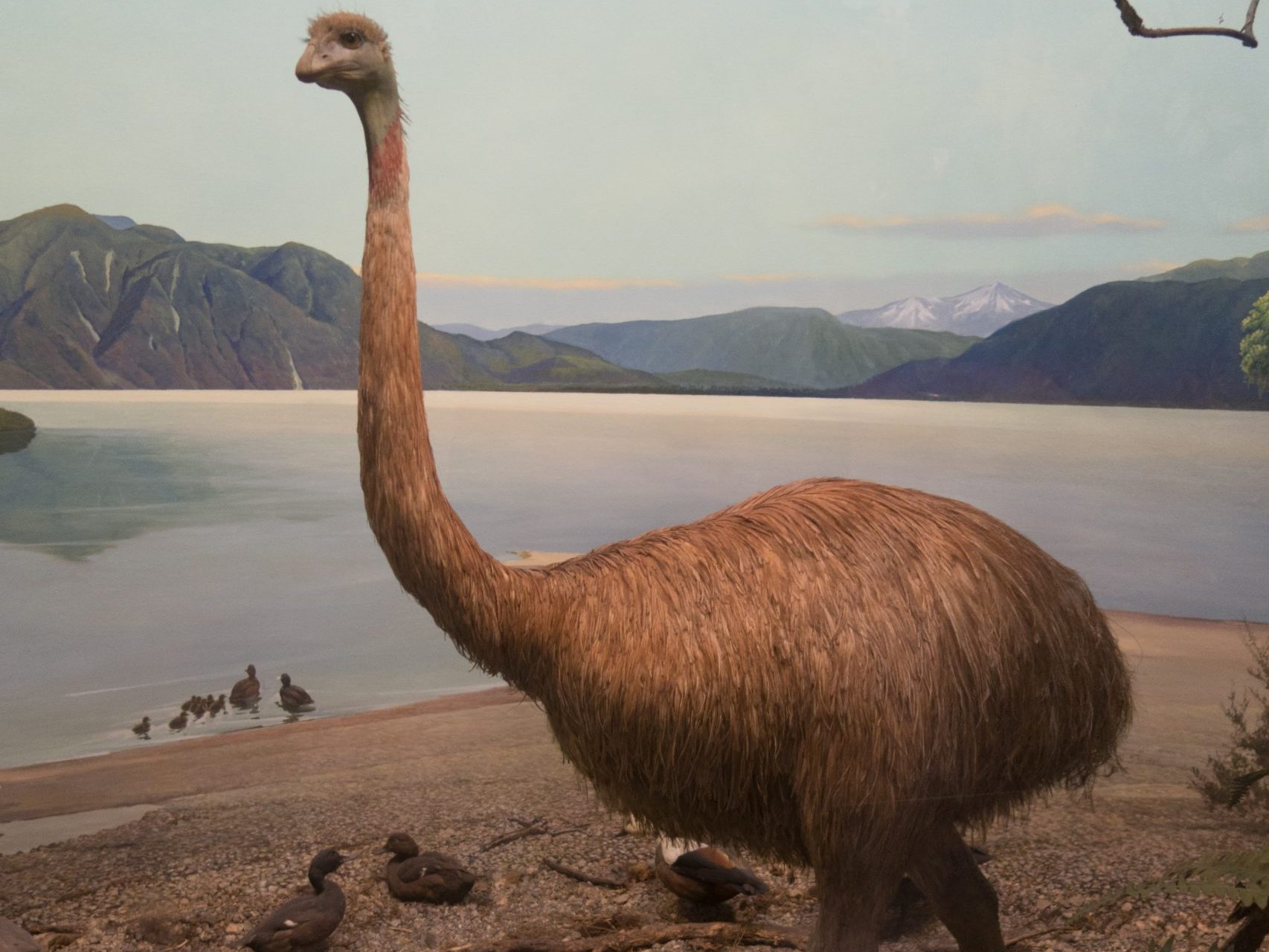
The ratites are distinguished by their lack of a keel, a protrusion of the breastbone that acts as an anchor for the muscles used in flight. Despite being earthbound, these flightless birds are found in disparate islands and continents around the world, giving rise to a compelling mystery as to their method of distribution.